
The beautiful world of cameras and photography can be confusing and difficult at first, but it can be briefly explained as a bucket of water. The image sensor in the camera is the bucket, and the water is the amount of light that goes into the bucket. The exposure triangle, consisting of shutter speed, aperture, and ISO, determines how much light we collect. Shutter speed is how long we pour the water, aperture is the size of the opening, and ISO is the bucket’s sensitivity. Together, they help achieve a perfectly lit photo.
ELEMENTS EXPLAINED
A fast shutter speed (like 1/1000) is a quick splash of water, while a slow shutter speed (like 1 second) lets the water run longer, filling the bucket more. However, if it’s open for too long, you might spill (overexpose). If not open long enough, you might not fill it up (underexpose). The size of the faucet’s opening is the aperture. A wide aperture (like f/1.8) means a bigger opening, letting in more water (light) quickly. A small aperture (like f/16) is a tiny opening, letting in water more slowly. It also affects how much of the photo is in focus. The ISO is like the sensitivity of the bucket. A low ISO (like 100) means the bucket is less sensitive and needs more water (light) to fill. A high ISO (like 3200) means it’s very sensitive and fills up quickly. But the higher the sensitivity (ISO), the more “noise” or “grain” might appear in the picture. Balancing these three settings ensures you get the right amount of light for a great photo. If one changes, you might need to adjust the others to keep that balance.
HOW IT AFFECTS YOUR PHOTOS

Shutter Speed: Has effects on light, it determines how long the camera’s sensor is exposed to light. The higher the shutter speed, the less light that comes in, and the slower the shutter speed, the more light that comes in. Its effects in motion are fast shutter speeds (e.g., 1/1000 sec) that can freeze fast-moving subjects, making them appear sharp. Slow shutter speeds (e.g., 1 second) can introduce motion blur, which can be used creatively for effects like capturing the flow of water or the trails of stars.
Aperture: The aperture controls the size of the lens’s opening. A wider aperture (e.g., f/1.8) lets in more light, while a narrower aperture (e.g., f/16) lets in less light. It also affects the depth of field, or how much of the image is in focus. A wide aperture results in a shallow depth of field, making the background blurry while keeping the subject sharp. It’s mostly used for portraits. A narrow aperture increases the depth of field, keeping both foreground and background in focus, which is mostly used in landscapes.
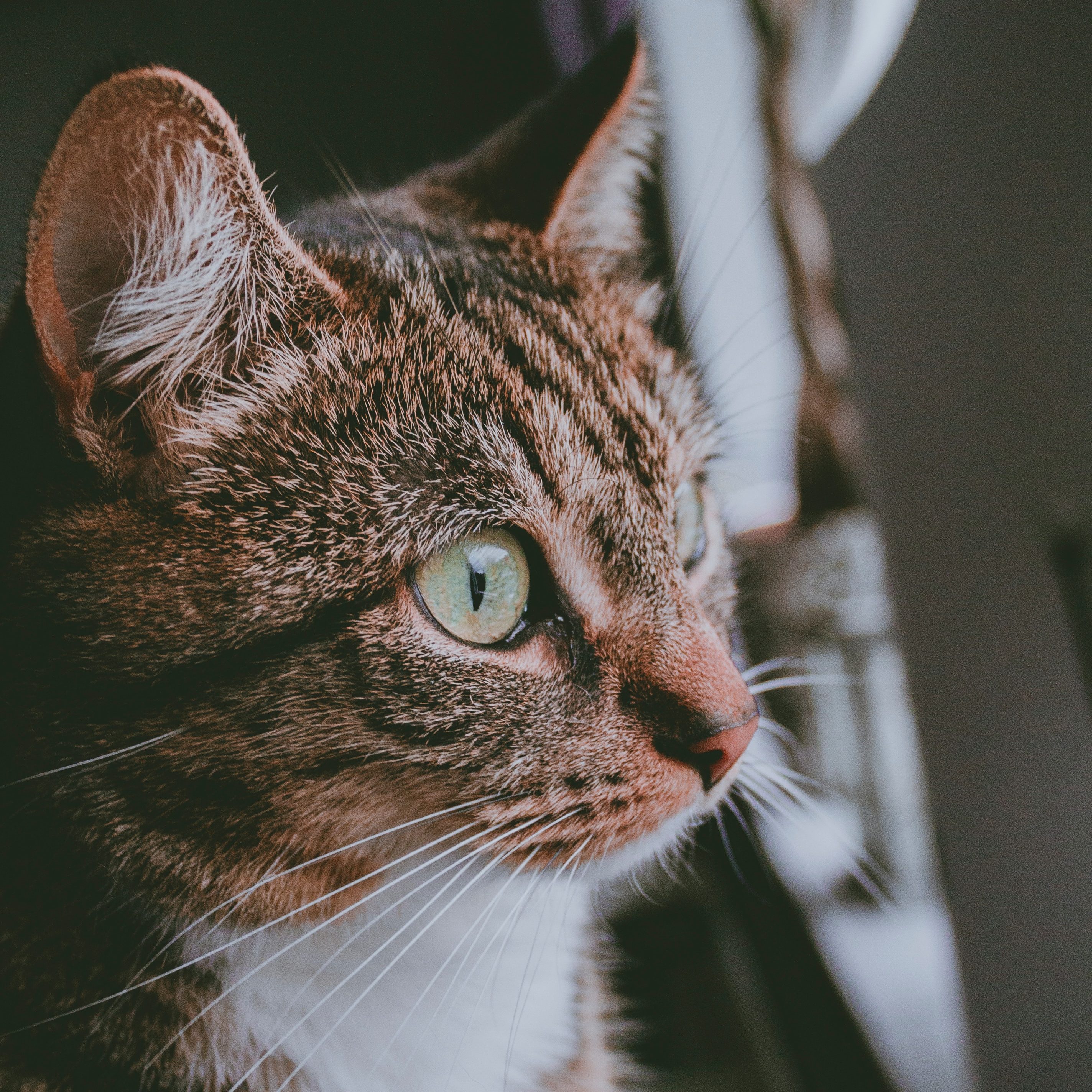
ISO: ISO affects the sensitivity of the camera’s sensor to light. A higher ISO value (e.g., 3200) increases sensitivity, allowing for better performance in low light, while a lower ISO (e.g., 100) decreases sensitivity. The increased sensitivity at high ISO values adds “noise” or “grain” into the image. Photos can appear grainy or speckled at very high ISO settings. Lower ISOs produce cleaner images with less noise. In essence, each of these elements not only affects the amount of light that is captured in your photos but also introduces artistic and practical effects that photographers can balance for their desired outcomes.
OVEREXPOSED VS UNDEREXPOSED
If a picture appears overexposed, it means there’s too much light in the photo, making it too bright. This can wash out details and colors, and important parts of the picture might be completely white. On the other hand, if a picture appears underexposed, it might appear too dark because not enough light reached the camera sensor. This can result in loss of details in shadows, making the image look too dim, and important parts might appear as featureless black areas. The goal is to find the right balance to capture a well-exposed photo with just the right amount of light.
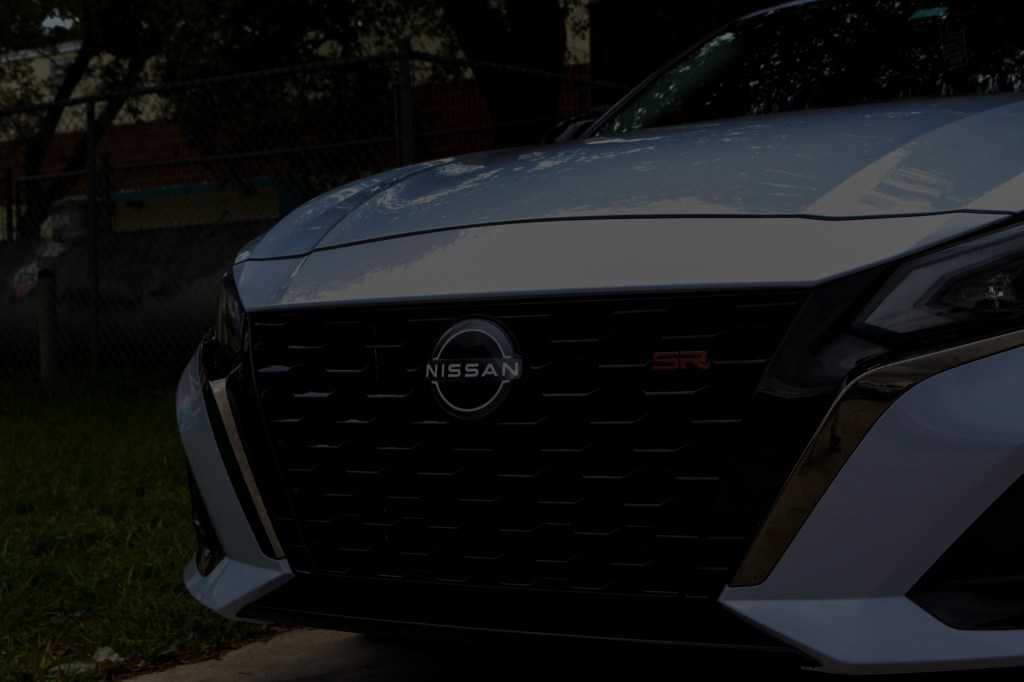
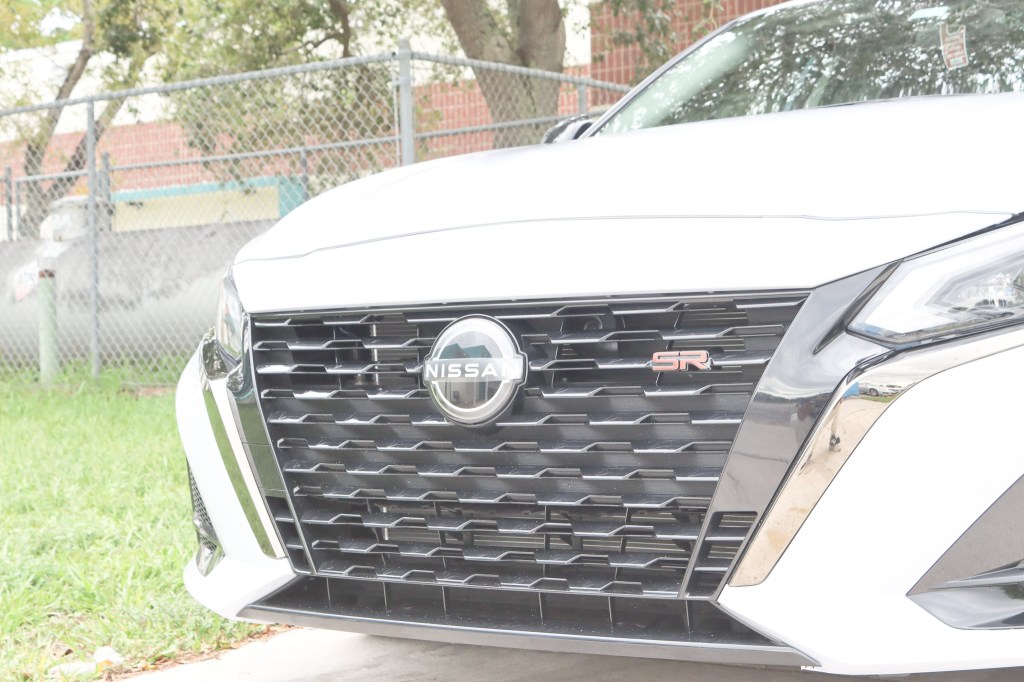
Photo by DLKR on Unsplash; edited by Juan Castillo
Overexposed VS Underexposed photos by Juan Castillo
 JUAN CSTL