
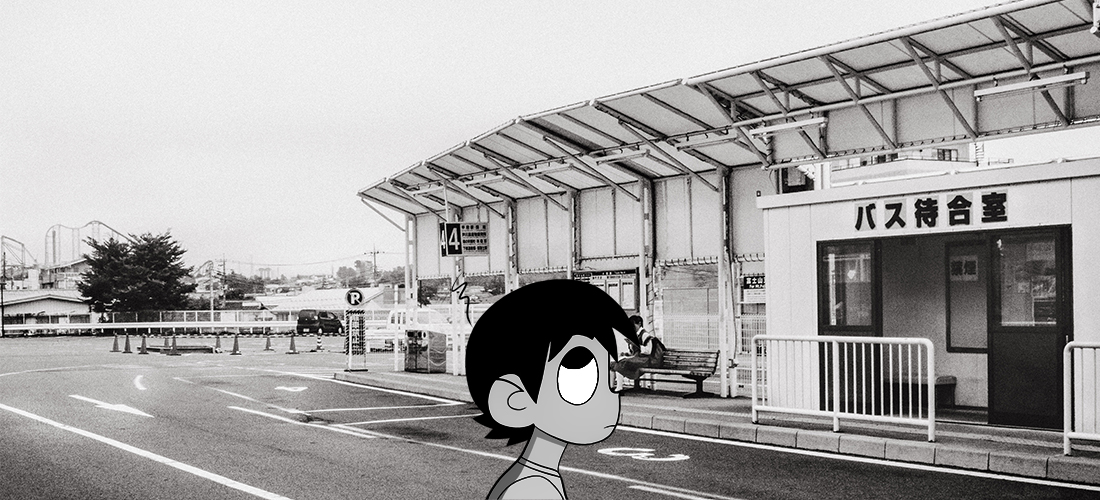
Walking through the familiar hallways of school, you might overlook the artistic potential around you. Recently, I went on this journey, transforming normal school moments into captivating black and white memories using just a camera and a bit of Photoshop. If you’re new to photography and want to uncover the stories lurking in plain sight, keep reading as I share some of the lessons I learned along the way as well as tips to help you find the perfect photo.
SHOOTING PROCESS
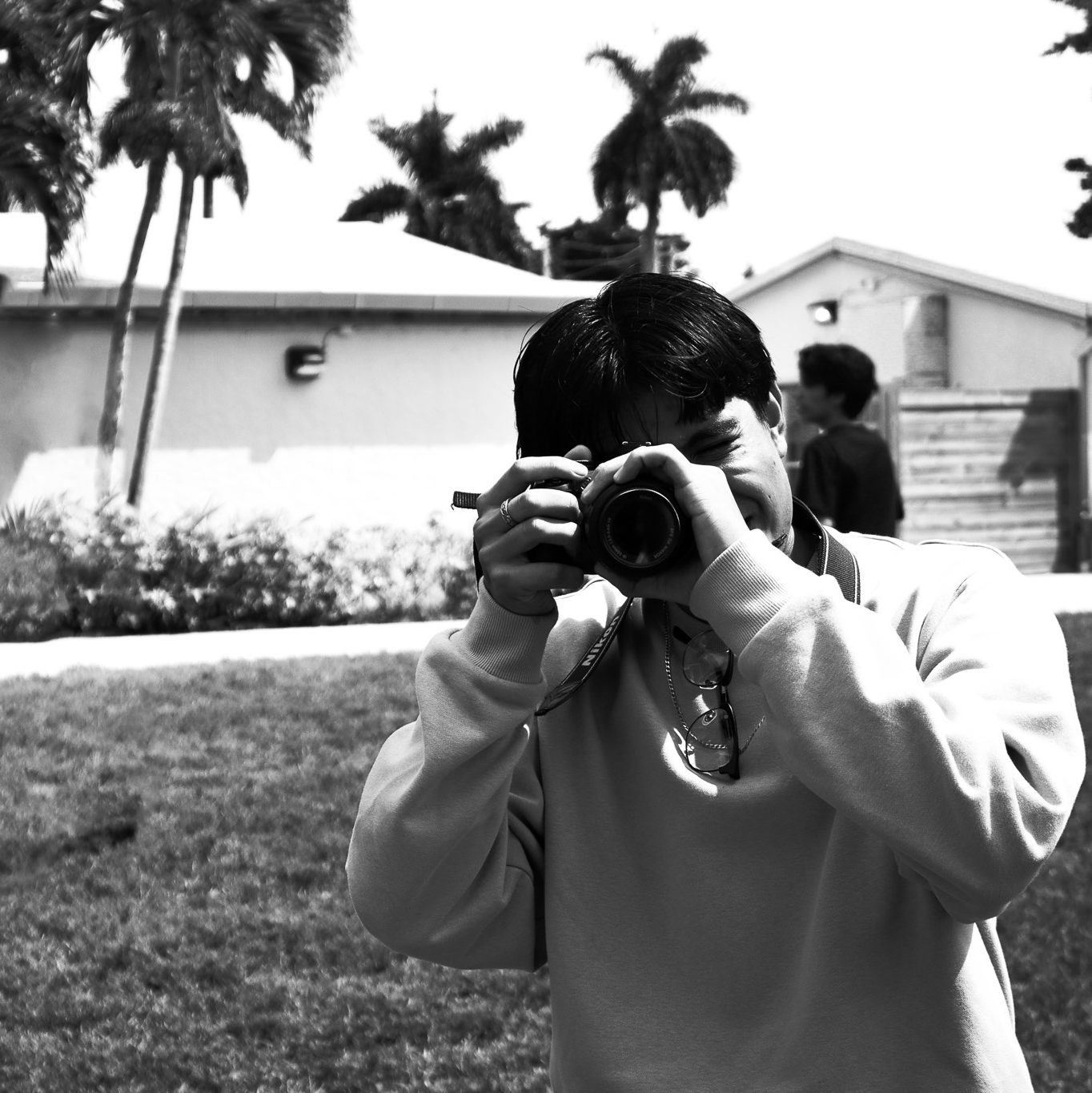
To be honest, the toughest part was the execution of taking the photos. As soon as GD brought up the idea of a “creative picture”, things suddenly started to feel way more challenging. I was left wondering, “What can really count as a creative shot, and how can I even capture that?” After two weeks messing around with the cameras and snapping shots at school, I felt like I’d hit a creative wall. I wasn’t going to take a picture of any random thing and call it a day. I wanted my photos to have potential, some spark. But that proved to be tougher than expected, and many of my photos didn’t even make the cut for my final project. I discovered, pretty last minute, that shots with lots of detail or busy visuals didn’t really work well in black and white. After three days of hunting down interesting subjects and setting up original scenes, I finally got my set of pictures and then came the last step, editing them.
EDITING PICTURES
Editing those 10 pictures was a truly challenging experience. It felt like a rollercoaster, playing around with different tones of exposure and contrast as well as how much detail was shown in each one. The entire process was incredibly time-consuming. I devoted so much attention to each photo that I ended up racing against time to finish the project. Perfecting the black and white shots was more difficult than I expected if I’m being honest. Just when I thought I was reaching the end, I spotted an overwhelming amount of grey tones in my edit – not ideal for a pure black and white image. Striving for that ideal balance without the photos appearing overexposed, underexposed, or poorly edited became a task that tested my patience.
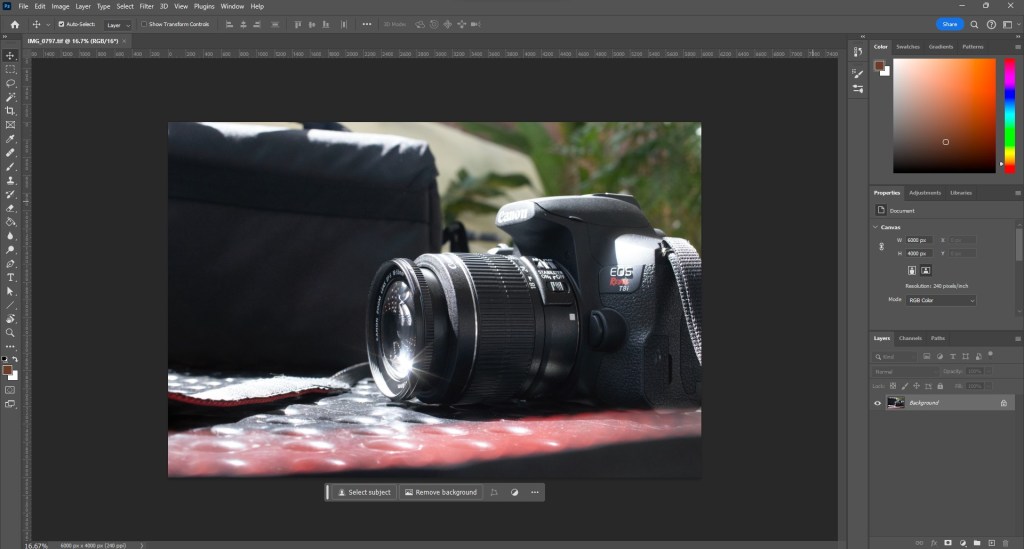
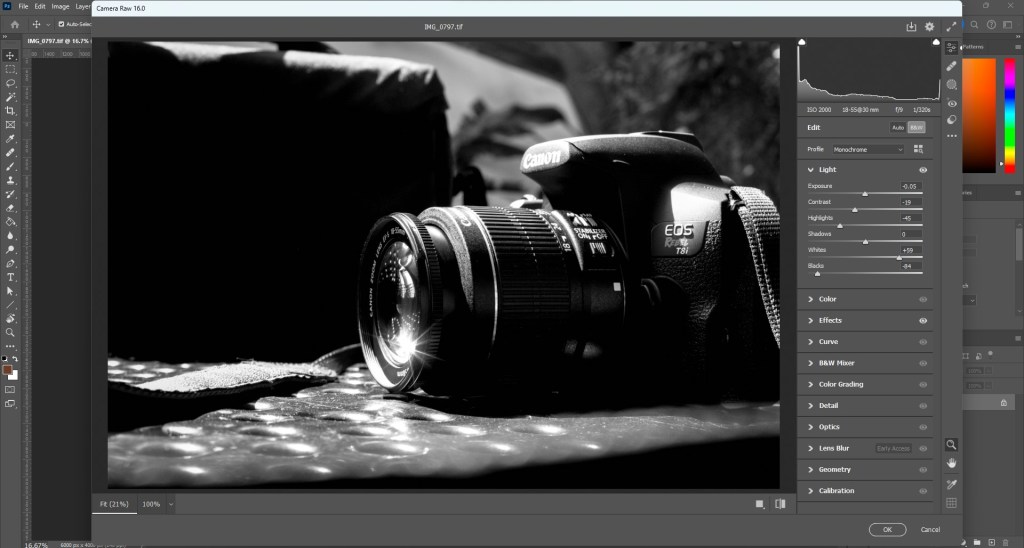
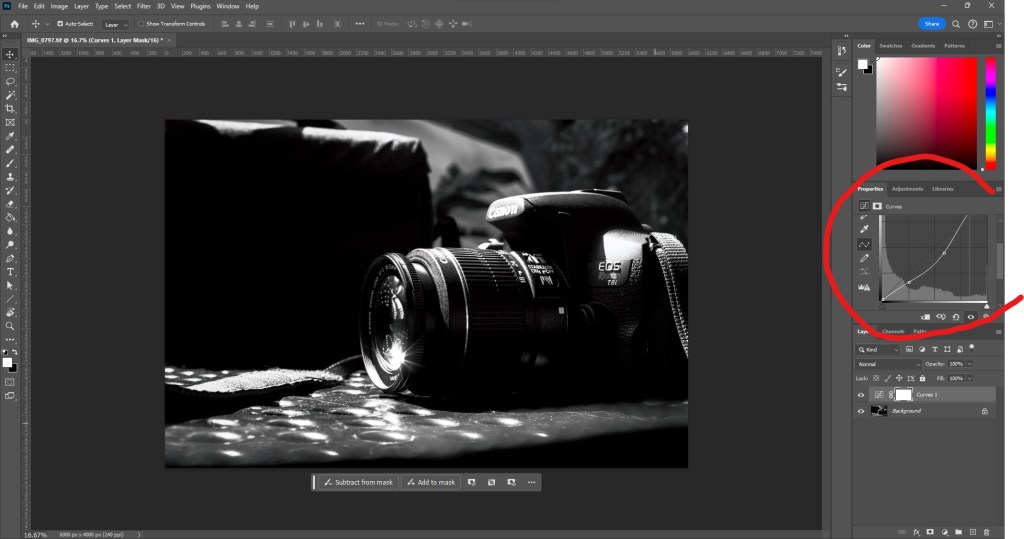
On the first picture, I opened the RAW file, which is the mode where the photo is at its finest point. Personally, I prefer using this type of file because I’m able to manipulate more of the photo, unlike a JPG file, but it’s all preference.
Then I went and edited the photo using the Camera RAW filter edit tool in Photoshop which lets me change the exposure, contrast, lighting and all of the fun stuff that comes with editing photos.
Once I was satisfied with how it looked, I went ahead and added another layer and edited the curves of the photo, which essentially is taking a point, each representing the shadows, middle colors and the highlights of a photo. I manipulated this graph and ended up with a decent looking black and white edit of the photo I had taken.
MY ADVICE

Throughout this project, I explored various approaches, from my photography techniques as well as the editing strategies I chose to do. For me, a trial-and-error approach seemed to be the best choice to get the best results. When it came to taking pictures, I experimented with various angles, subjects, locations, and lighting conditions. Not every shot turned out as I envisioned, and that is alright, because with each attempt I waws able to spark new ideas and insights. My editing journey was also full of learning. I fixed every single photo, adjusting lighting and color levels for some, tinkering with curves for others, and even crafting custom curves for a few. However, I’d advise anyone diving into tools like Photoshop to at least familiarize themselves with the basics. I’ve already had enough experience working with photos as well as editing them in Photoshop, but as a beginner, you’ll want to know the program as much as possible so that the editing process is as smooth as it can be. Take the time to be one with the program, patience is key. Anyways, my advice is simple: embrace experimentation. Don’t hesitate to capture what is appealing to you, craft unconventional scenes, work with unique subjects, and absorb lessons along the way.
Featured image by Cerqueira on Unsplash; edited by Juan Castillo
Photos used throughout article by Juan Castillo
 JUAN CSTL